


Effective Strategies for Proxy Web Scraping
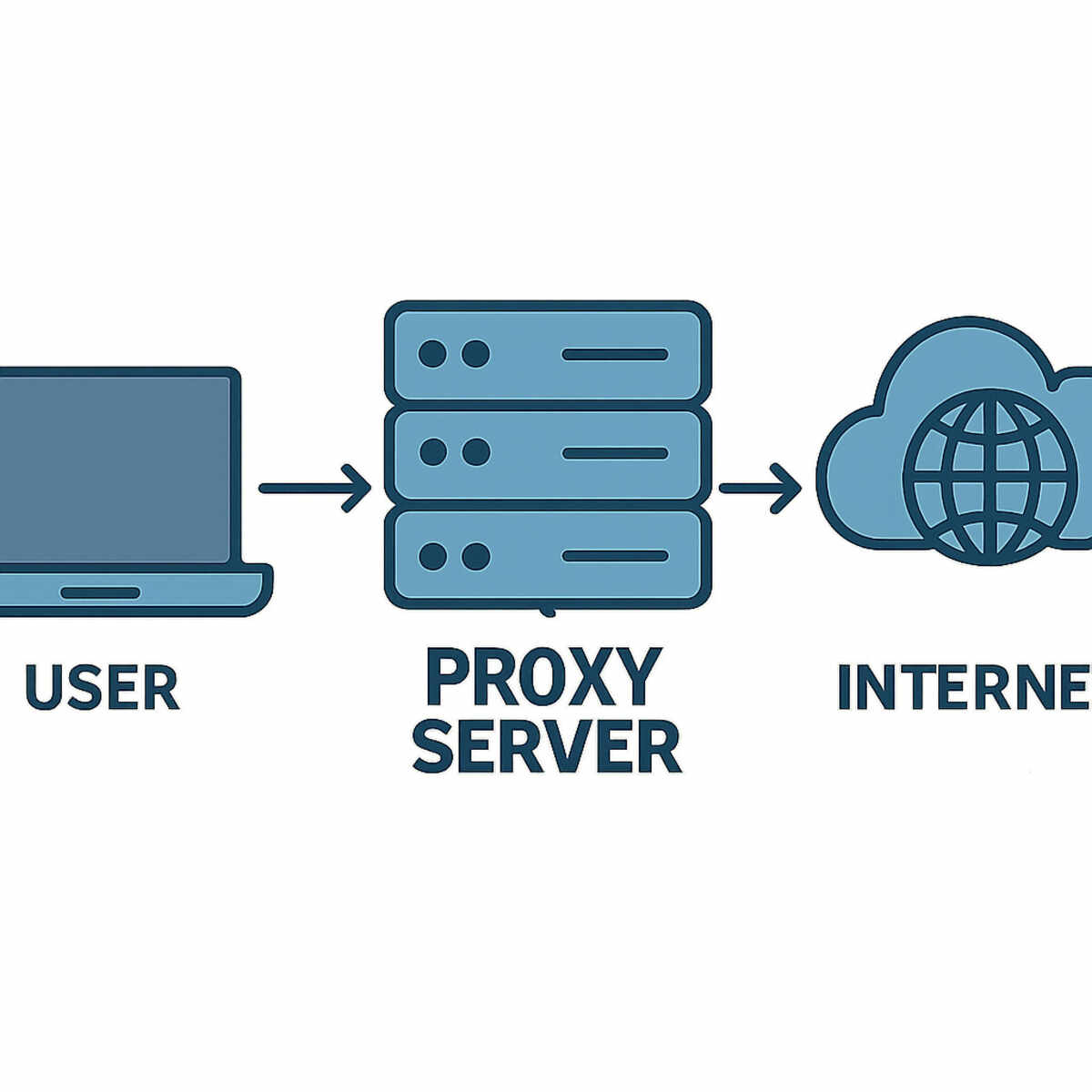
This is where proxy web scraping becomes invaluable. By leveraging proxies, scrapers can bypass restrictions, maintain anonymity, and enhance their data collection capabilities. Find the best proxies for google ads.
In this article, we will explore effective strategies for proxy web scraping, providing a comprehensive guide to understanding and implementing these techniques.
Proxy web scraping is the process of using proxy servers to mask your IP address while scraping data from websites. Proxies act as intermediaries between your scraping tool and the target website, making requests on your behalf. This approach helps you overcome IP blocking and other restrictions imposed by websites to protect their data.
The Role of Proxies in Web Scraping
Proxies play a crucial role in web scraping by providing a layer of anonymity and security. They act as a buffer between your machine and the target website, masking your IP address. This not only helps in preventing IP blocks but also ensures that your scraping activities remain undetected.
How Proxies Work
When you use a proxy, your requests are routed through a proxy server before reaching the target website. The website sees the IP address of the proxy server instead of your actual IP address. This is particularly useful for circumventing geo-restrictions and accessing data that may otherwise be blocked.
Importance of Anonymity
Anonymity is a key benefit of using proxies. By masking your real IP address, you reduce the risk of being traced back to your scraping activities. This is especially important when scraping websites that are sensitive to automated data extraction.
Overcoming IP Blocking with Proxies
Websites often implement IP blocking to prevent excessive requests from a single source. By rotating proxies, you can distribute requests across multiple IP addresses, reducing the likelihood of being detected and blocked by the target website.
Enhancing Scraping Efficiency
Proxies not only help you bypass restrictions but also enhance the efficiency of your scraping operations. By distributing requests across various IPs and locations, you can scrape data more quickly and effectively.
Why Use Proxies for Web Scraping?
There are several reasons why proxies are essential for effective web scraping:
Ensuring Anonymity
Proxies hide your real IP address, preventing websites from tracking your online activities and identifying your scraping efforts. This anonymity is crucial for maintaining privacy and avoiding potential legal issues.
Avoiding IP Bans
By rotating proxies, you can distribute requests across multiple IP addresses, reducing the risk of being banned by the target website. This is particularly important for high-volume scraping activities.
Accessing Geo-Restricted Content
Proxies allow you to appear as if you’re accessing the website from different locations, enabling you to scrape geo-restricted content. This is beneficial for businesses looking to gather market data from different regions.
Maintaining Continuous Access
With a large pool of proxies, you can maintain continuous access to target websites without interruptions. This ensures that your scraping operations run smoothly and efficiently.
Enhancing Data Collection Capabilities
Using proxies expands your data collection capabilities by allowing you to access a wider range of websites and content. This can lead to more comprehensive and accurate data insights.
Types of Proxies for Web Scraping
Choosing the right proxy type is crucial for successful web scraping. The three main types of proxies are:
1. Datacenter Proxies
Datacenter proxies are not affiliated with Internet Service Providers (ISPs) and are hosted on data centers. They are fast and inexpensive, making them a popular choice for web scraping. However, they are also more likely to be detected and blocked by websites due to their non-residential nature.
Advantages of Datacenter Proxies
Datacenter proxies offer several advantages, including high speed and low cost. They are ideal for tasks that require rapid data extraction and are suitable for scraping websites with less stringent security measures.
Disadvantages and Limitations
Despite their benefits, datacenter proxies have limitations. They are more likely to be flagged and blocked by websites due to their predictable IP ranges. This makes them less suitable for scraping sites with robust anti-scraping defenses.
Use Cases for Datacenter Proxies
Datacenter proxies are best used for scraping tasks that do not require high levels of anonymity or when cost is a significant factor. They are also suitable for accessing public data that is not behind strict security measures.
2. Residential Proxies
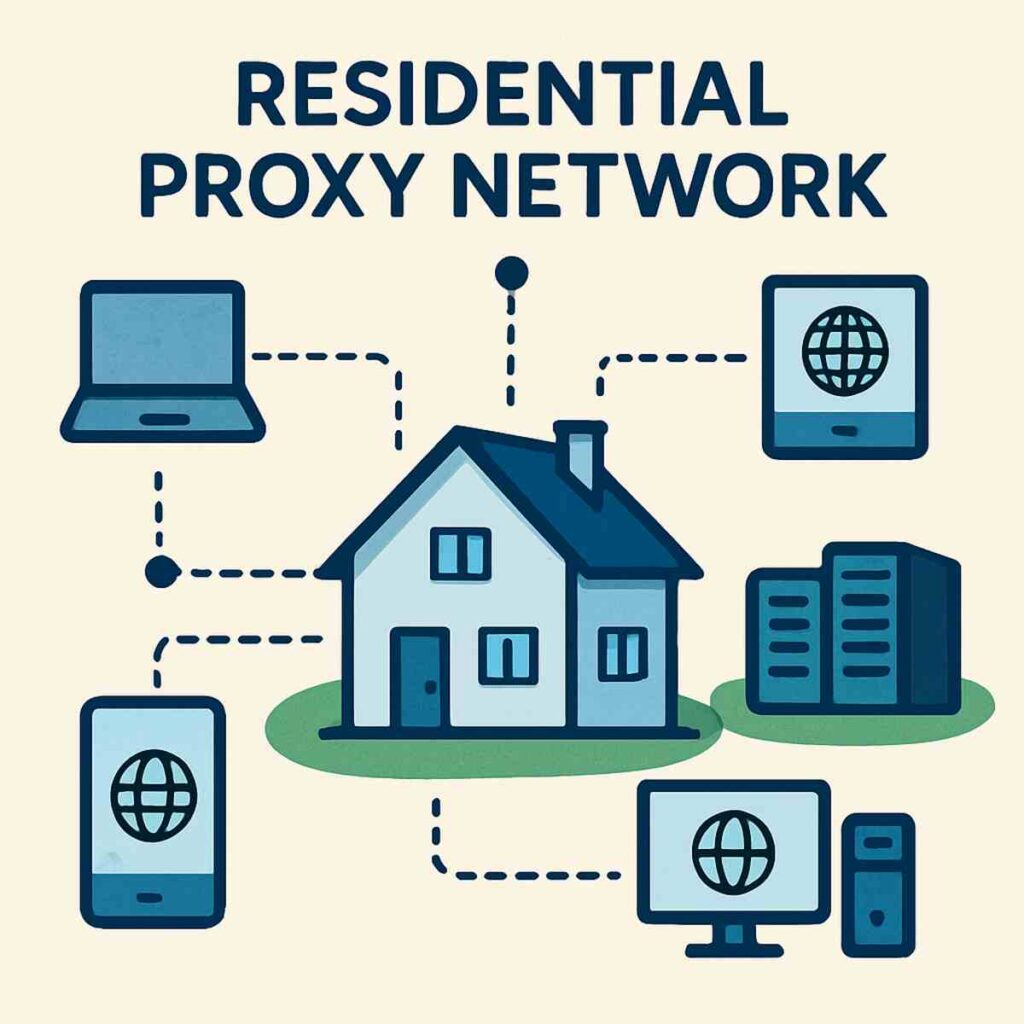
Residential proxies are IP addresses assigned by ISPs to homeowners. They appear as regular users, making them less likely to be blocked by websites. Although residential proxies are more expensive than datacenter proxies, they provide greater anonymity and reliability.
Benefits of Residential Proxies
Residential proxies offer high levels of anonymity, making them ideal for accessing content that is protected by stringent security measures. They are less likely to be flagged as suspicious, allowing for more seamless data extraction.
Cost Considerations
While residential proxies offer significant benefits, they come at a higher cost compared to datacenter proxies. This is due to their increased reliability and the difficulty of obtaining them.
Ideal Scenarios for Use
Residential proxies are best suited for tasks that require accessing sensitive or protected data. They are also ideal for scraping websites with strong anti-scraping mechanisms or those that require geo-targeted data.
3. Mobile Proxies
Mobile proxies are IP addresses assigned to mobile devices by mobile carriers. They offer high anonymity and are less likely to be blocked, as websites consider mobile users legitimate. Mobile proxies are ideal for scraping mobile-optimized websites or apps but are the most expensive option.
Unique Advantages of Mobile Proxies
Mobile proxies provide a unique advantage by mimicking real mobile device usage. This makes them highly effective for accessing mobile-specific content and bypassing mobile-focused security measures.
Challenges and Costs
The main challenge with mobile proxies is their cost. They are the most expensive type of proxy due to their high demand and the complexity of acquiring them.
Best Use Cases for Mobile Proxies
Mobile proxies are ideal for tasks that involve scraping mobile-optimized websites or apps. They are also suitable for scenarios where high levels of anonymity are required.
How to Choose the Right Web Scraping Proxy Service
Selecting the right proxy service is crucial for efficient and successful web scraping. Here are some factors to consider:
Evaluating Proxy Pool Size
A large proxy pool ensures that you have a wide range of IP addresses to rotate, reducing the risk of detection and bans. Choose a service with a substantial proxy pool to increase your chances of successful scraping.
Importance of a Diverse Proxy Pool
A diverse proxy pool provides flexibility and reduces the chances of detection. It allows you to switch between different IPs, minimizing the risk of being flagged for suspicious activity.
Balancing Quantity and Quality
While a large proxy pool is important, quality should not be overlooked. Ensure that the proxies in the pool are reliable and offer good performance to avoid disruptions in your scraping operations.
Assessing Provider Reputation
When evaluating proxy services, consider the provider’s reputation. Look for reviews and testimonials from other users to gauge the reliability and performance of the service.
Speed and Performance Considerations
The speed of the proxy service can significantly impact your scraping efficiency. Opt for a service that offers high-speed proxies to ensure smooth and fast data extraction.
Measuring Proxy Speed
Evaluate the speed of the proxies offered by the service. Faster proxies will enable you to collect data more quickly, enhancing the overall efficiency of your scraping operations.
Impact on Data Extraction
The performance of the proxies directly affects the speed and reliability of data extraction. High-speed proxies reduce the likelihood of timeouts and errors during scraping.
Testing for Optimal Performance
Before committing to a proxy service, test the proxies to ensure they meet your performance requirements. This can help you avoid potential issues and select the most suitable service.
Geographic Coverage and Flexibility
For geo-targeted scraping, choose a proxy service that offers IP addresses from various locations worldwide. This flexibility allows you to access content restricted to specific regions.
Importance of Global Reach
A proxy service with global reach allows you to access data from different regions, which is crucial for businesses that need to gather market intelligence from various locations.
Customizing Geolocation Needs
Ensure that the proxy service allows you to customize your geolocation preferences. This can help you target specific markets and gather more relevant data.
Evaluating Regional Availability
Check the availability of proxies in the regions you are interested in. A service with a wide geographic coverage will provide more options for accessing region-specific content.
Reliability and Uptime
Consistent uptime is essential for uninterrupted scraping operations. Select a proxy service known for its reliability and minimal downtime to maximize your scraping efforts.
Ensuring High Uptime
High uptime ensures that your scraping operations are not interrupted by proxy server outages. This is critical for maintaining the efficiency and effectiveness of your data collection.
Monitoring Proxy Reliability
Regularly monitor the reliability of the proxies to ensure they continue to meet your needs. This can help you identify any issues early and make necessary adjustments.
Choosing a Reputable Provider
Select a proxy provider with a track record of reliability. A reputable provider will offer stable and consistent proxy services, reducing the risk of disruptions.
Implementing Proxy Rotation for Effective Web Scraping
Proxy rotation is a technique used to switch between different proxy IP addresses during a scraping session. This approach helps maintain anonymity and avoid IP bans. Here’s how to implement proxy rotation effectively:
Utilizing Rotating Proxy Services
Many proxy services offer rotating proxies, which automatically change IP addresses at regular intervals. This feature simplifies the process of proxy rotation, allowing you to focus on data extraction.
Benefits of Automated Rotation
Automated rotation reduces the need for manual intervention, making it easier to manage large-scale scraping operations. It also enhances anonymity by frequently changing IP addresses.
Selecting a Reliable Service
Choose a proxy service that offers reliable rotating proxies. This will ensure that your scraping operations remain uninterrupted and efficient.
Integrating with Scraping Tools
Ensure that the rotating proxy service can be easily integrated with your existing scraping tools. This will streamline the setup process and enhance the overall efficiency of your operations.
Implementing Custom Proxy Rotation
For greater control, you can implement custom proxy rotation in your scraping script. This involves maintaining a list of proxy IP addresses and randomly selecting one for each request. Be sure to handle exceptions and retries for failed requests.
Developing a Rotation Strategy
Create a strategy for rotating proxies that suits your specific needs. This may involve setting rules for when to switch proxies and how frequently to rotate them.
Managing Proxy Lists
Maintain an up-to-date list of proxies and regularly test them for performance and reliability. This will help you ensure that your proxy rotation strategy remains effective.
Handling Exceptions and Retries
Implement error handling in your scraping script to manage exceptions and retries. This will help you address issues such as failed requests and minimize disruptions.
Throttling and Delays
To mimic human behavior and avoid detection, introduce random delays between requests. Throttling your scraping speed helps reduce the likelihood of triggering anti-scraping measures.
Importance of Mimicking Human Behavior
Mimicking human behavior is essential for avoiding detection by anti-scraping mechanisms. Introducing delays and varying request patterns can help you achieve this.
Implementing Random Delays
Incorporate random delays between requests in your scraping script. This will make your scraping activities appear more natural and reduce the risk of detection.
Balancing Speed and Stealth
While throttling can reduce the risk of detection, it may also slow down your scraping operations. Find a balance that allows you to collect data efficiently while minimizing the chances of being flagged.
Handling CAPTCHAs and Other Anti-Scraping Measures
Websites employ various techniques to prevent web scraping, including CAPTCHAs. Here are some strategies to tackle these challenges:
Leveraging CAPTCHA Solving Services
Several third-party services specialize in solving CAPTCHAs for web scraping. These services use machine learning algorithms or human solvers to bypass CAPTCHA challenges, allowing you to continue scraping seamlessly.
Choosing the Right Service
Select a CAPTCHA solving service that offers high accuracy and fast response times. This will ensure that your scraping operations are not disrupted by CAPTCHAs.
Integrating with Your Workflow
Ensure that the CAPTCHA solving service can be easily integrated with your existing scraping tools and workflows. This will streamline the process and enhance efficiency.
Evaluating Cost and Performance
Consider the cost and performance of the CAPTCHA solving service. Balance these factors to choose a service that meets your needs without exceeding your budget.
Utilizing Headless Browsers
Headless browsers simulate real user interactions with websites, making them effective for bypassing anti-scraping measures. Tools like Puppeteer and Selenium can automate browsing activities, such as clicking buttons and filling forms, to evade detection.
Advantages of Headless Browsers
Headless browsers offer the ability to interact with websites in a way that mimics real user behavior. This makes them highly effective for bypassing sophisticated anti-scraping measures.
Implementing Automation Tools
Use automation tools like Puppeteer and Selenium to control headless browsers. These tools can help you automate complex interactions and enhance your scraping capabilities.
Overcoming Dynamic Content Challenges
Headless browsers are particularly useful for scraping websites with dynamic content. They allow you to render JavaScript and interact with elements that are not accessible through traditional scraping methods.
Rendering JavaScript Content
Some websites rely on JavaScript to load content dynamically. Using tools like Puppeteer or headless Chrome, you can render JavaScript content before extracting data, ensuring you capture all relevant information.
Importance of JavaScript Rendering
Rendering JavaScript content is essential for accessing data that is not available in the initial HTML source. This allows you to capture more comprehensive information and improve data accuracy.
Setting Up Rendering Tools
Configure tools like Puppeteer or headless Chrome to render JavaScript content. This will enable you to access dynamic elements and enhance your scraping capabilities.
Ensuring Complete Data Extraction
By rendering JavaScript content, you ensure that you capture all relevant data. This leads to more accurate and complete data insights, improving the overall effectiveness of your scraping operations.
Best Practices for Ethical Web Scraping
While proxy web scraping is a powerful tool, it’s essential to conduct it ethically and responsibly. Here are some best practices to follow:
Reviewing Website Terms of Service
Before scraping a website, review its terms of service to ensure compliance with any restrictions or guidelines related to data extraction.
Understanding Legal Implications
Understanding the legal implications of scraping is crucial for avoiding potential legal issues. Ensure that you are aware of any restrictions and comply with them.
Seeking Permission
If necessary, seek permission from website owners before scraping their content. This can help you avoid conflicts and ensure a cooperative relationship.
Documenting Compliance Efforts
Keep records of your compliance efforts, such as correspondence with website owners and reviews of terms of service. This can provide evidence of your commitment to ethical scraping practices.
Respecting Robots.txt Directives
The robots.txt file specifies which parts of a website can be crawled by web scrapers. Always respect these directives and avoid scraping restricted areas.
Importance of Robots.txt
Robots.txt files provide guidelines for web crawlers and scrapers. Respecting these directives is essential for conducting ethical scraping.
Identifying Restricted Areas
Review the robots.txt file to identify areas of the website that are off-limits for scraping. Avoid accessing these areas to comply with the site’s guidelines.
Adapting Scraping Strategies
If a website has restrictions in its robots.txt file, adapt your scraping strategies accordingly. This may involve focusing on permitted areas or seeking permission for restricted content.
Limiting Request Frequency
Avoid overwhelming a website’s server by limiting the frequency of requests. Implement delays and throttling to ensure your scraping activities do not negatively impact the website’s performance.
Balancing Efficiency and Ethics
While efficient scraping is important, it should not come at the expense of ethical considerations. Limit request frequency to prevent server overload and maintain responsible scraping practices.
Implementing Delays and Throttling
Incorporate delays and throttling into your scraping scripts to reduce the impact on the target website’s server. This helps maintain a positive relationship with website owners.
Monitoring Impact on Websites
Monitor the impact of your scraping activities on the target website. If you notice any negative effects, adjust your strategies to minimize disruptions.
Anonymizing Data
When sharing scraped data, anonymize it to protect the privacy and confidentiality of any sensitive information.
Protecting Sensitive Information
Anonymizing data is essential for protecting the privacy of individuals and organizations. Ensure that any sensitive information is removed or obscured before sharing.
Implementing Anonymization Techniques
Use anonymization techniques to remove identifying information from the data. This can include masking IP addresses, names, and other personal details.
Sharing Data Responsibly
When sharing scraped data, do so responsibly and ethically. Ensure that you comply with any legal requirements and respect the privacy of affected parties.
Conclusion
Proxy web scraping is an indispensable technique for extracting valuable data from the web. By understanding the different types of proxies, selecting the right proxy service, and implementing effective strategies, you can overcome common challenges and enhance your data collection efforts.
Remember to adhere to ethical guidelines and best practices to ensure responsible and compliant web scraping activities. With the right approach, proxy web scraping can unlock new opportunities for data-driven decision-making and business success.
Summary of Key Points
Throughout this guide, we’ve explored the benefits of proxy web scraping, the types of proxies available, and how to choose the right proxy service. We’ve also discussed strategies for implementing proxy rotation, handling CAPTCHAs, and conducting ethical scraping.
Looking Ahead
As technology evolves, so do the methods and tools available for web scraping. Stay informed about the latest developments in proxy services and scraping technologies to remain competitive and efficient in your data collection efforts.
Encouragement for Ethical Practices
In your web scraping endeavors, prioritize ethical practices and respect for website owners. By maintaining a responsible approach, you can build trust and ensure long-term success in your data-driven initiatives.

Related Posts